Packaging being a vital concept in our daily lives, most companies and businesses have adopted it to boost their sales and fish new customers in their businesses. Packaging cans are based on different types of materials and in this article we will learn more about them. Read on.
Metal Cans
metal can
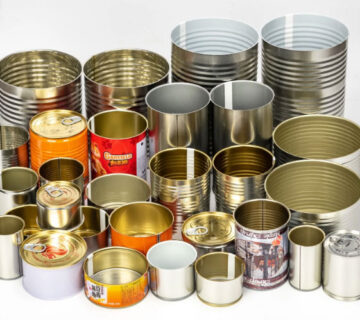
These are clean and empty metal containers mainly composed of aluminum, tin-plated steel, or zinc-plated steel that is commonly used for packaging food, beverages, or any other items and are devoid of food, beverage, or other contaminants, as defined by the Agency in the rules and regulations.
Advantages Of Metal Cans
Outstanding mechanical qualities. Metal packaging containers are rigid and easy to handle, allowing them to withstand collisions, vibrations, and stacking. This makes them convenient for transportation and storage, extending the sales radius of goods.
Outstanding barrier properties. Metal packaging containers may block not only gases like air, oxygen, water vapor, carbon dioxide, and so on, but also light, particularly ultraviolet light, preventing deliquescence, degradation, decay, and fading of the contents.
Excellent thermal conductivity. The great efficiency of heating and cooling provided by food metal cans improves the effect of high temperature sterilizing and rapid cooling, and the contents can be cooked.
It is simple to use. The metal packaging container is durable and easy to transport. A lot of beverages and food cans nowadays have easy-open lids, which makes them more convenient to use and adapt to the fast-paced life of modern society. They are also widely used in tourist areas.
High adaptability. Because of the metal’s ductility, it can be produced with great precision and speed for complex shaping procedures. A three-piece tinplate production line, for instance, can produce 360 cans every minute. Metal containers can cover a wide range of consumer demands at a cheaper cost because of their great products.
Lovely decorating. Metal containers typically have a lovely metallic shine, which is complemented by vibrant graphic printing that enhances the product’s appeal. As a result, while delivering gifts, people frequently prefer to utilize metal containers.
Disposable and simple to use. After they have been used up, metal containers may usually be recycled and repurposed. It not only recycles materials and saves energy, but it also reduces pollutants in the environment. Even if the rusted metal is distributed throughout the soil, it will have no negative impact on the ecosystem.
Safety and hygiene. Metal containers fully meet the cleanliness and safety criteria for food containers due to the use of appropriate coatings.
Permeability to magnetic fields Steel containers can be transported using magnetic force since they are magnetically permeable. This will make them the ideal packaging material for most products.
Disadvantages Of Metal Cans
Chemical composition Under the influence of acid, alkali, salt, and humid air, it is prone to rust. This has narrowed the scope of its application. However, thanks to a range of good coatings, this disadvantage can now be overcome.
Poor economic conditions like inflation. Metal cans prices are quite higher than before. This deficiency is also being gradually addressed as a result of technological advancement.
Applications Of Metal Cans
Beverage cans. Aluminum cans are commonly used to package soda, beer, and even wine.
Food cans. Metal cans are commonly used to package vegetables, soups, fruits, pet food, and meats.
Paint cans. Metal paint cans are still widely used in industries.
Tube cans. Metal tubes, rather than plastic tubes, can be used to package lotions, toothpaste, and other viscous beauty goods.
Tin Cans
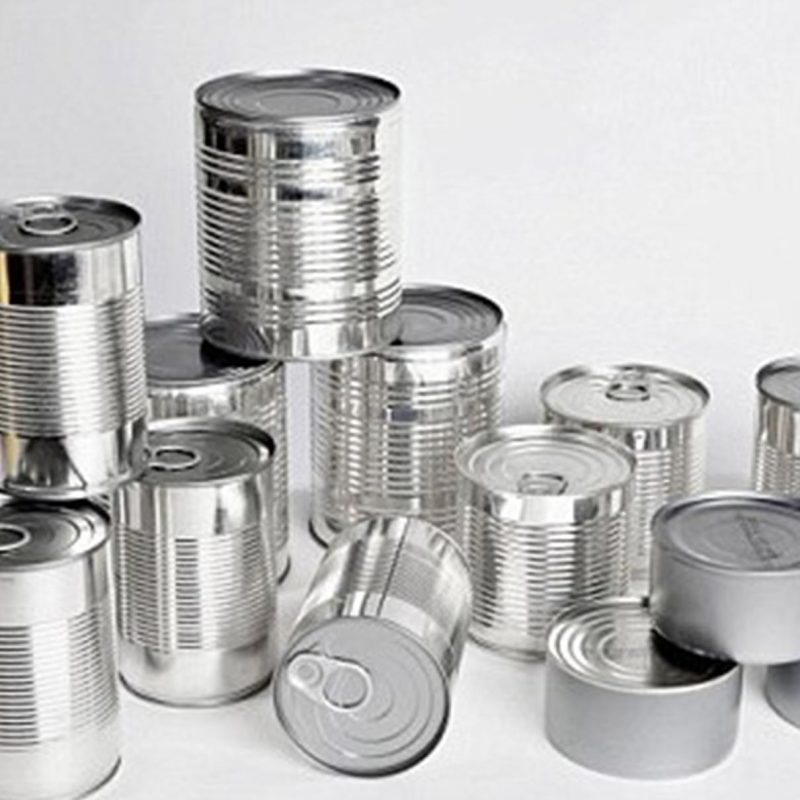
Tin cans are thin metal containers used for the delivery or storage of products. One of the most prevalent types of packaging is tin packaging. Food products such as soft drinks, soups, and seasonings should be packaged in this manner.
Advantages Of Tin Cans
A Longer Shelf Life. Tin simply has a longer shelf life than other materials such as steel and aluminum. It’s because of the tin substance, which doesn’t react with the food. Steel and aluminum, on the other hand, can easily corrode and even damage food depending on their acidity. Because other materials cannot be utilized to store medications, liquids, or soups, containers made of anything other than tin are used. Tin can packaging guarantees that the food lasts a long time and preserves its nutritional value.